
In Japanese, to pour Nihonshu and to feel for another are the same word. KUMU is a closed rite built on that word: a small circle, an unhurried hour, a bond sealed by the cup.

Tea gave Japan four centuries of ceremony. Nihonshu never had its own. Yet the language already carries it: kumu means both to pour and to comprehend. Tea is harmony, offered one way. Nihonshu is reciprocity, poured and poured back.
KUMU is a two to three hour Nihonshu ceremony, held in the manner of the tea ceremony. Not a tasting flight, but a slow immersion, closer to meditation than to a meal. The setting, the manners, and the vessels are chosen with a tea host's care, and the Nihonshu changes as the hours turn. Across that time you come to understand the culture, the ritual, and the two thousand years of technique that live inside the cup in your hand.
A wholly private rite, opened only by introduction. Two to three unhurried hours, held for you and no one else.
The highest expression of Nihonshu, understood from every side: its traditions and etiquette, its place across two thousand years, and each pour met with the temperature and the vessel it asks for.
The hour, the place, and the shape of the evening are composed for the guest they are held for. Never a fixed list, always yours.
What passes in the room resists description. It is meant to be lived: water, warmth, and the quiet of a shared cup, held in the old grammar of Japanese ritual and the patience of the land it comes from.
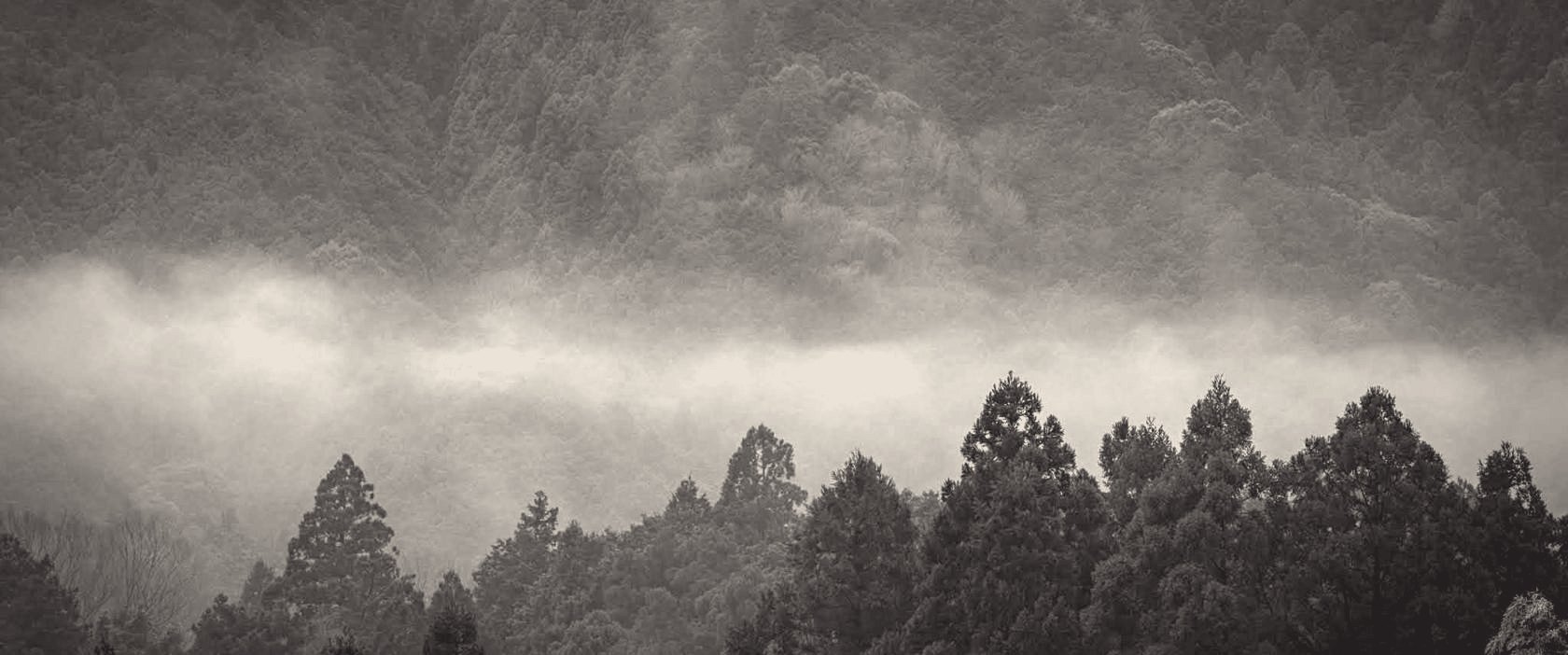
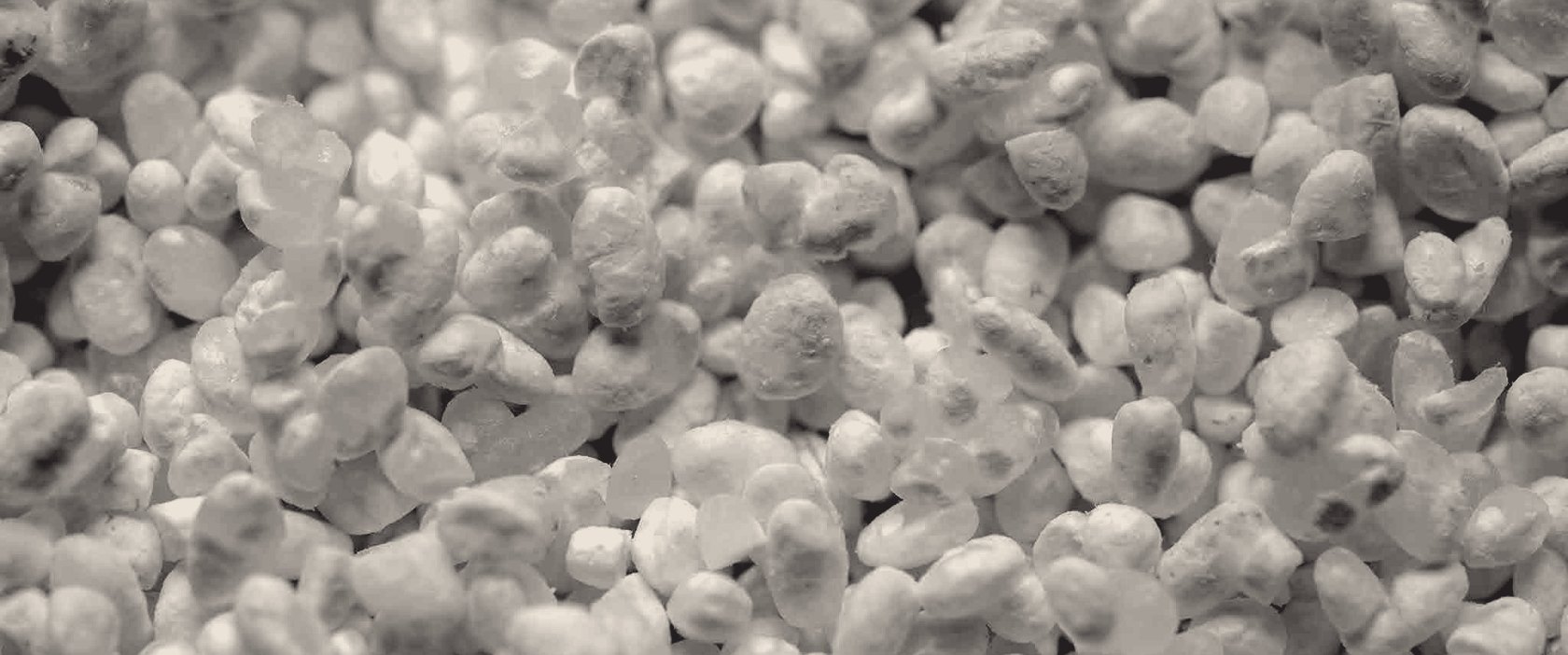
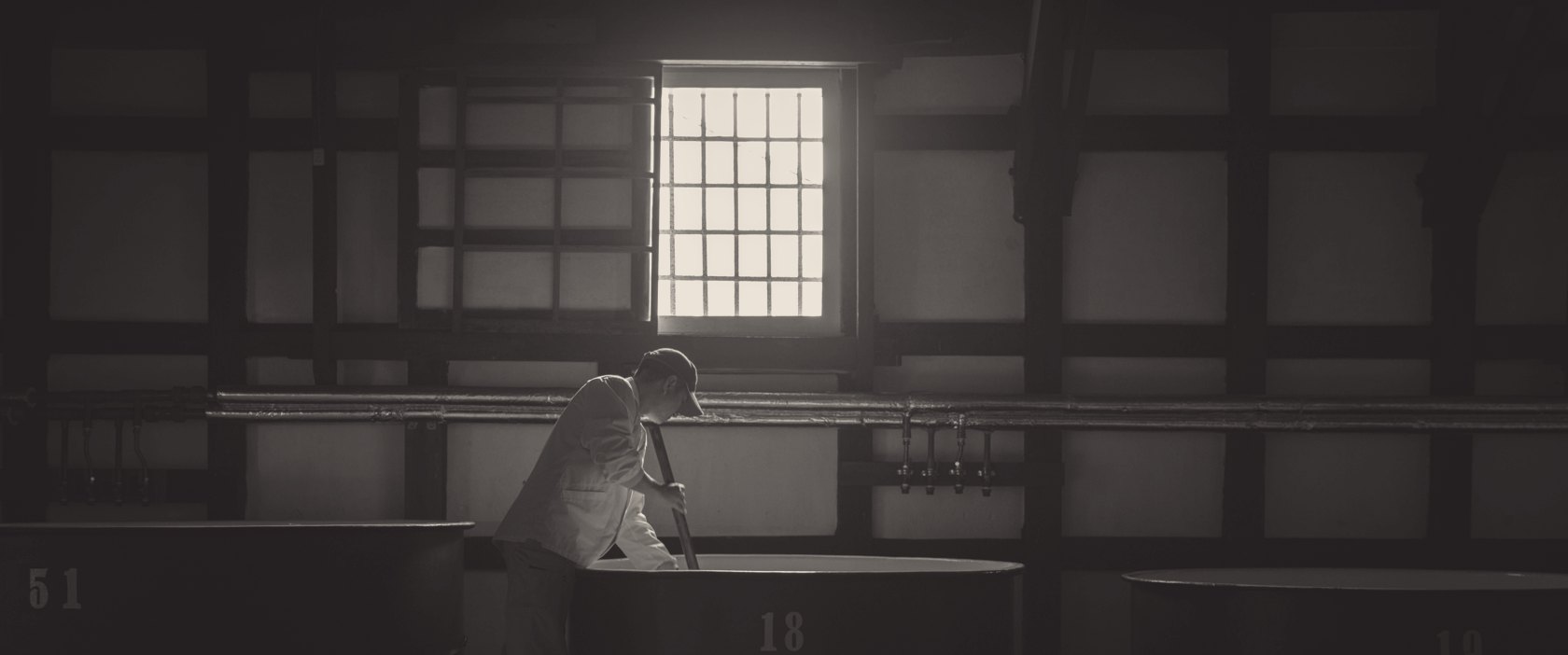
Prime Sake began with a single vessel. But the vessel was only ever a tool. What we pursue is elevation: of the experience of drinking, of the standing of Nihonshu itself, and of the breweries whose technique has been refined over centuries. KUMU is where that value becomes visible, not in how much is poured, but in how deeply it is understood.
Every rite has one keeper, the sake-ban. He is not a sommelier and not a host in the ordinary sense, but the storyteller who stands between two thousand years of brewing and the cup in your hand. He chooses each Nihonshu, each temperature, each vessel for the people before him, reading the room the way a tea master reads a guest. At KUMU that keeper is Masaki Tada, who coined the title sake-ban a quarter century ago. Through his hands, his timing, and his silences, the brewer's craft is made felt.
KUMU is not sold and not ticketed. Seats open a few times a year, by introduction. Leave your name and we will reach out when a circle forms near you.
No spam, ever. Your details are held only to extend an invitation.